
Delving into How a Realtor CPA Helps Optimize Real Estate Tax Strategies, this introduction immerses readers in a unique and compelling narrative, with a casual formal language style that is both engaging and thought-provoking from the very first sentence.
Exploring the vital role of a Realtor CPA in maximizing real estate tax strategies is crucial for professionals in the industry. By understanding the intricate ways a Realtor CPA can save money on taxes and offer specialized expertise, real estate professionals can navigate the complexities of tax planning with confidence.
Importance of a Realtor CPA
Realtor CPAs play a crucial role in optimizing real estate tax strategies for professionals in the industry. Their specialized knowledge and expertise in tax planning can make a significant difference in saving money on taxes and maximizing profits.
Example of Savings
A Realtor CPA can help identify deductions and credits that real estate professionals may overlook, such as mortgage interest deductions, property tax deductions, and depreciation expenses. By maximizing these tax benefits, they can help clients save a substantial amount of money on their tax bill.
Specialized Knowledge in Tax Planning
Realtor CPAs are well-versed in the complex tax laws and regulations that apply to real estate transactions. They can offer guidance on structuring deals in a tax-efficient manner, choosing the right entity for ownership, and planning for long-term tax implications.
This specialized knowledge allows them to create customized tax strategies that align with their clients' financial goals.
Tax Planning Strategies
When it comes to real estate tax planning, Realtor CPAs utilize various strategies to help investors optimize their tax liabilities and maximize deductions and credits. These strategies are essential for minimizing taxes and ensuring compliance with tax laws.
Utilizing Depreciation
- Realtor CPAs often recommend utilizing depreciation as a tax planning strategy. Depreciation allows real estate investors to deduct the cost of the property over its useful life, reducing taxable income.
- By accurately determining the depreciation schedule and methods, Realtor CPAs can help investors maximize their tax savings and improve cash flow.
1031 Exchange
- A 1031 exchange is another common tax planning strategy used by Realtor CPAs to defer capital gains taxes when selling a property and reinvesting the proceeds in a like-kind property.
- This strategy allows investors to defer taxes on the capital gains, providing them with more funds for reinvestment and potentially increasing their overall investment portfolio.
Utilizing Tax Credits
- Realtor CPAs can help real estate investors take advantage of various tax credits available, such as energy-efficient property credits or low-income housing credits.
- By identifying and claiming these credits, investors can significantly reduce their tax liabilities and increase their after-tax returns on real estate investments.
Real Estate Tax Deductions
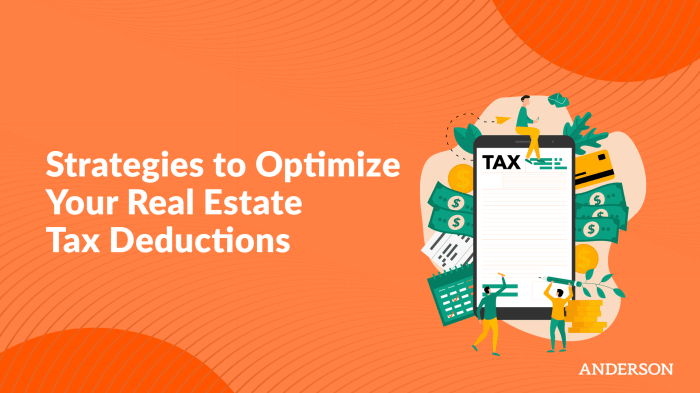
Realtor CPAs play a crucial role in helping clients maximize real estate tax deductions, ultimately reducing their tax liability and increasing their overall profitability. By leveraging their expertise in tax laws and regulations, Realtor CPAs can provide valuable guidance on various deductions available to real estate investors.
Key Real Estate Tax Deductions
- Mortgage Interest Deduction: Realtor CPAs can help clients deduct the interest paid on mortgage loans for their real estate properties, reducing taxable income.
- Property Taxes: Assistance from Realtor CPAs in deducting property taxes paid on real estate investments can lead to significant tax savings.
- Depreciation: Realtor CPAs can help clients calculate and claim depreciation expenses on rental properties, reducing taxable income.
Maximizing Deductions for Rental Properties
- Rental Expenses: Realtor CPAs assist clients in identifying and deducting a wide range of rental expenses, including repairs, maintenance, utilities, and property management fees.
- Home Office Deduction: By properly allocating expenses related to a home office used for rental property management, Realtor CPAs can help maximize deductions.
- Travel Expenses: Realtor CPAs can guide clients on deducting travel expenses related to managing rental properties, such as mileage and accommodation costs.
Staying Up-to-Date on Tax Laws
- It is essential for Realtor CPAs to stay current with tax laws and regulations to ensure clients are claiming all eligible deductions and credits.
- Regular updates on tax laws enable Realtor CPAs to provide accurate advice on maximizing deductions and minimizing tax liabilities for real estate investors.
- By staying informed, Realtor CPAs can help clients navigate complex tax regulations and optimize their real estate tax strategies effectively.
Impact of Tax Law Changes

Changes in tax laws can have a significant impact on real estate tax strategies, affecting how investors plan and optimize their financial decisions. It is crucial for Realtor CPAs to stay updated with these changes to provide the best advice and guidance to their clients.
Recent Tax Law Changes and Implications
- Recent changes in tax laws, such as the Tax Cuts and Jobs Act of 2017, have brought about alterations in deductions, depreciation rules, and qualified business income deductions.
- For example, the limitation on state and local tax deductions to $10,000 can impact real estate investors in high-tax states, reducing their ability to deduct property taxes.
- Additionally, changes in depreciation rules, like bonus depreciation and expanded Section 179 expensing, can influence how investors deduct the costs of acquiring, improving, or maintaining real estate properties.
Adapting Strategies to New Tax Regulations
Realtor CPAs must adapt their tax planning strategies to align with new tax regulations to ensure their clients maximize tax benefits and minimize liabilities. This may involve exploring new deductions, taking advantage of updated depreciation rules, or structuring real estate transactions differently to optimize tax outcomes.
Ultimate Conclusion
In conclusion, the assistance of a Realtor CPA in optimizing real estate tax strategies is invaluable. With their knowledge and insights, real estate professionals can make informed decisions and maximize their tax benefits, ensuring financial success in the competitive real estate market.
FAQ Insights
What are some common tax planning strategies used by Realtor CPAs?
Realtor CPAs often utilize strategies such as cost segregation, 1031 exchanges, and maximizing deductions to help real estate professionals minimize their tax liabilities.
How can a Realtor CPA assist in maximizing deductions for rental properties?
A Realtor CPA can help identify all eligible deductions for rental properties, including expenses like maintenance, repairs, and mortgage interest, ensuring that property owners can take full advantage of tax benefits.
Why is it important for real estate professionals to stay updated on tax laws and regulations?
Staying informed about tax laws is crucial for claiming deductions accurately and avoiding penalties. Realtor CPAs play a vital role in keeping their clients informed about changes that could impact their tax strategies.